Beginning 2026 by Listening to the Space
With the start of a new year, I always find myself thinking about where design is headed. Not in a trend forecasting way, but in a more personal, reflective sense. What feels right now. What feels tired. What I want to live with, not just look at.
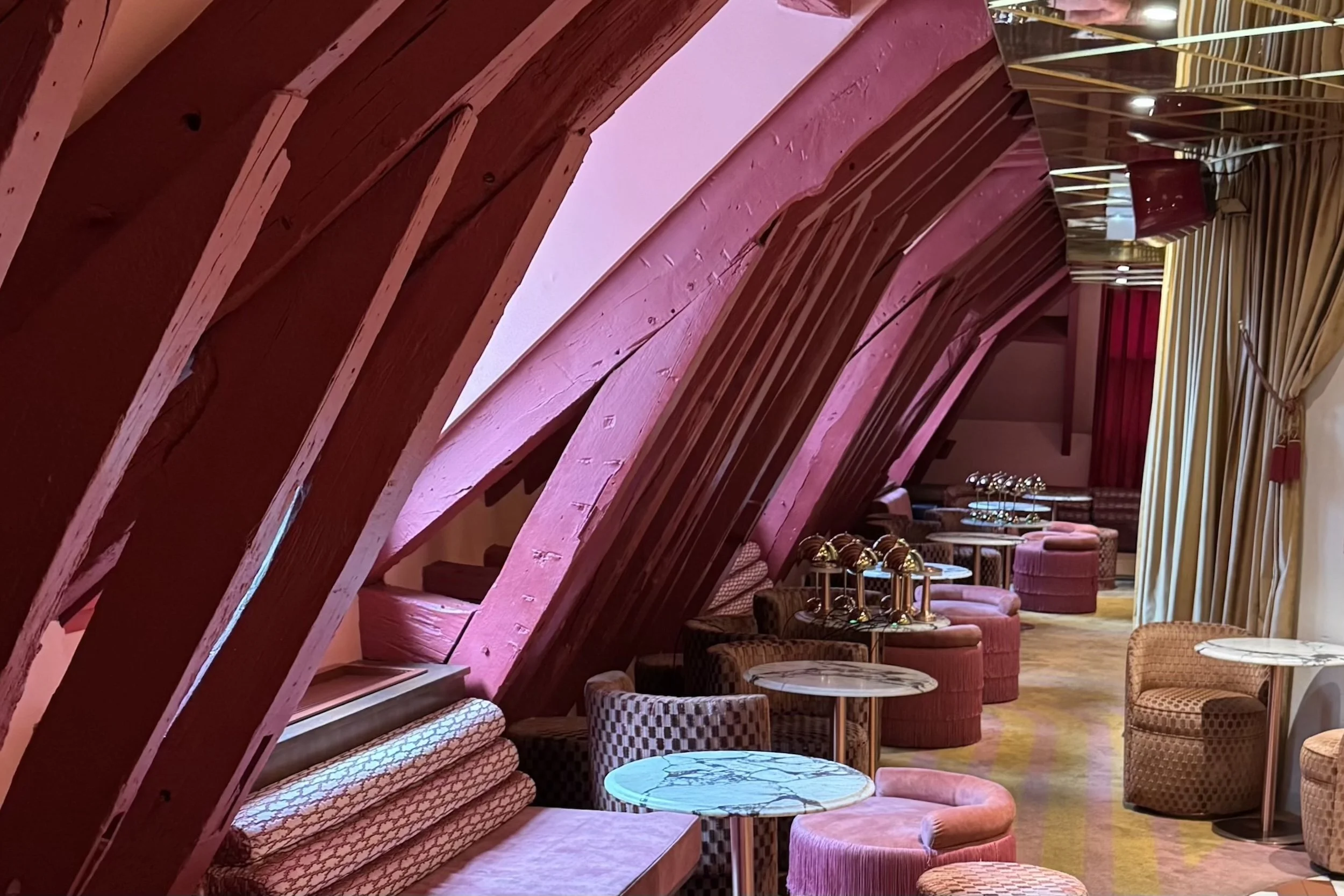
I keep coming back to this pink attic lounge from a trip to Paris. The sloped ceilings, the unapologetic color, the slightly retro undertones. It felt confident and specific. The kind of space that could only exist exactly where it is, shaped by its architecture and its history rather than by what is currently popular.
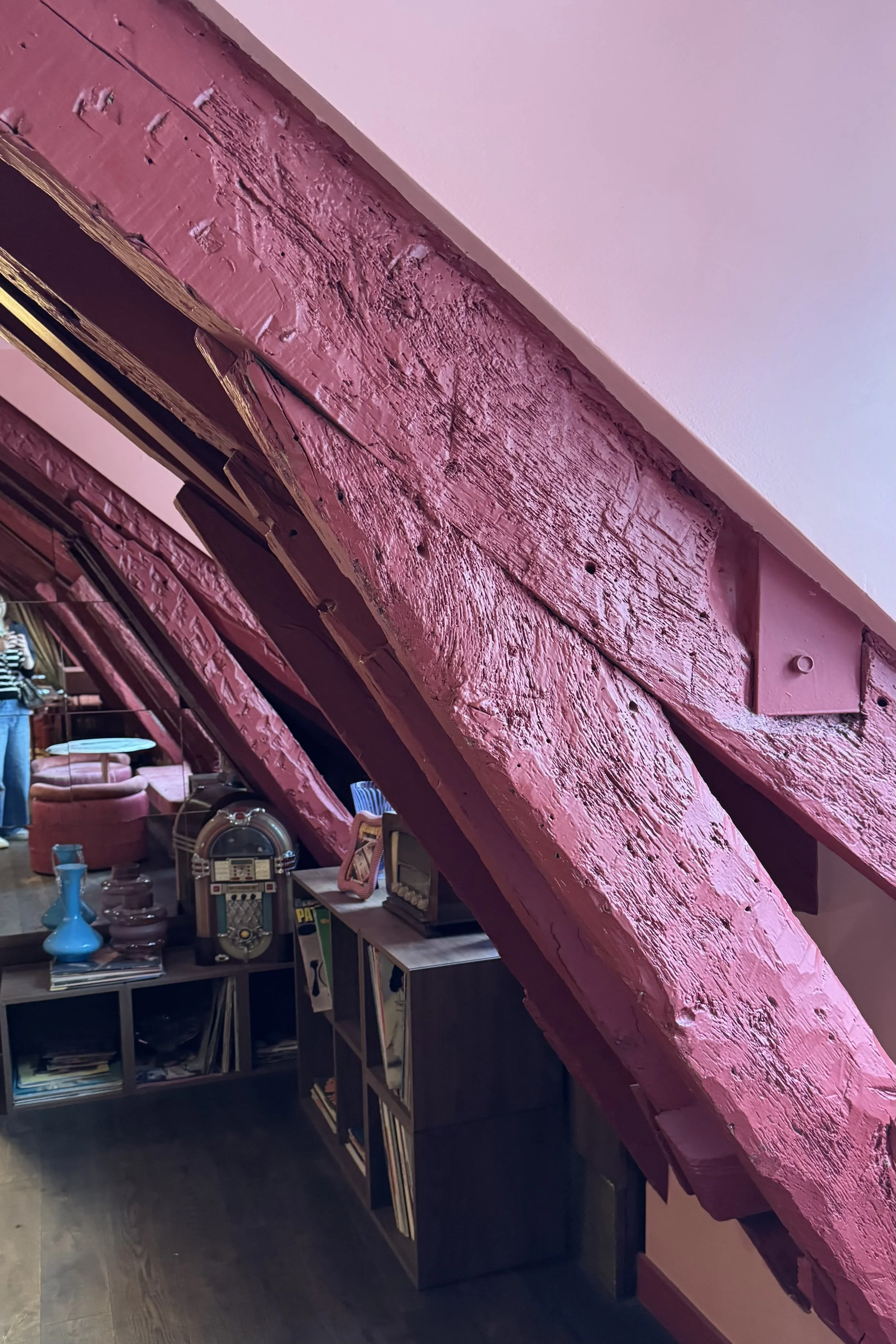
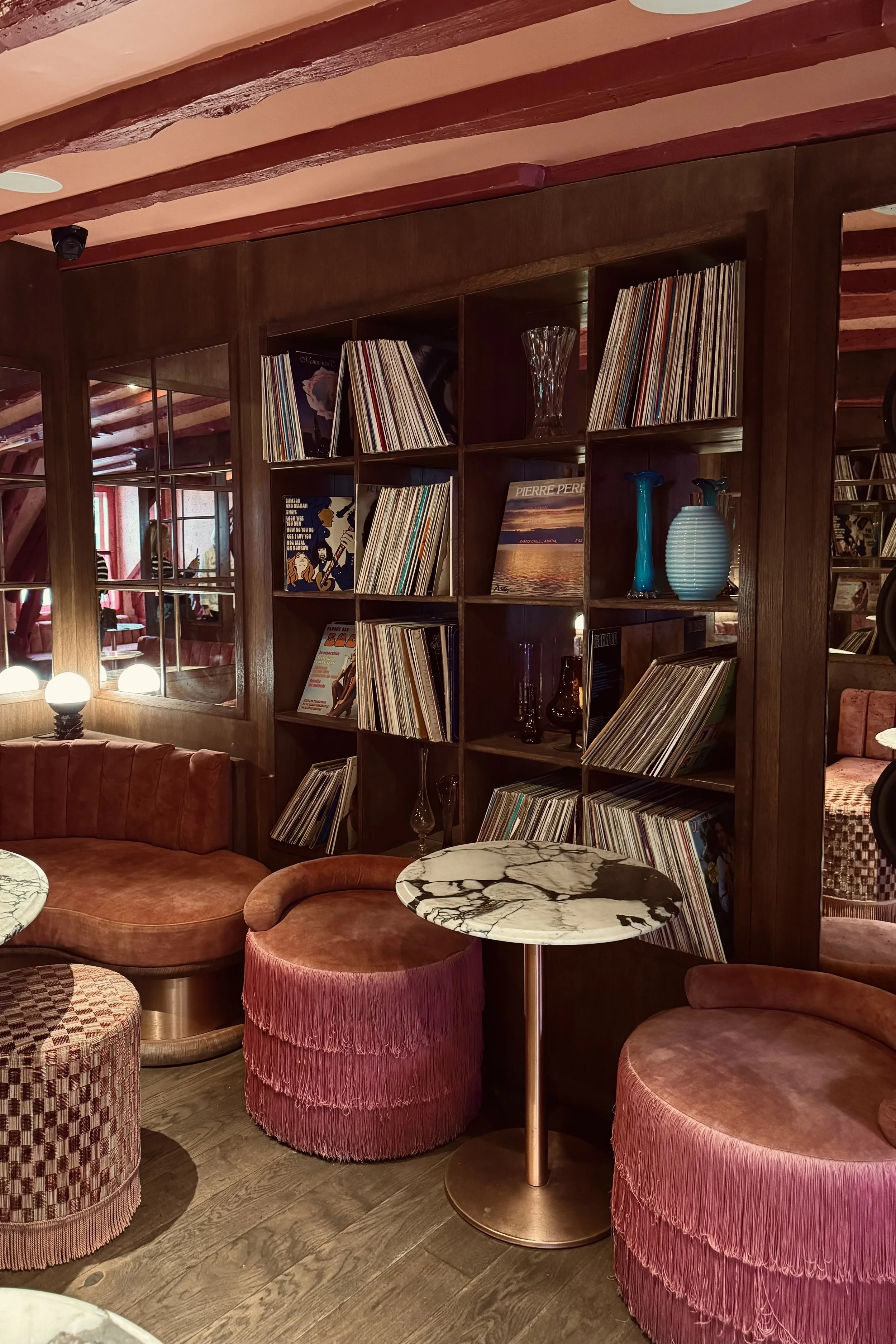
That room has stayed with me because it is such a clear example of design that responds. Nothing about it feels generic or transferable. The color works because of the angles. The mood works because of the light. The retro references feel intentional because they are grounded in place, not layered on top of it.
That, to me, is the direction design feels like it wants to move in as we start 2026.
Less trend chasing. Less recreating spaces we have seen a hundred times online. More attention to the bones of a room. Its proportions. Its quirks. Its history. The things that already exist and are asking to be noticed. So much of what feels tired right now comes from ignoring those cues. Forcing a space into a look rather than letting it become something specific. When design starts with a preset aesthetic instead of the room itself, it often loses its sense of personality.
The Paris attic works because it leans in. It does not try to correct the sloped ceiling or neutralize the drama. It amplifies it. The architecture leads, and the design follows.
That mindset feels especially relevant at the start of a new year, when there is pressure to refresh, reset, or reinvent. But meaningful change at home does not always come from doing more. Sometimes it comes from paying closer attention. What is the space already good at? Where does the light fall? Which details feel worth highlighting rather than hiding? What era does the home come from, and what can be learned from it instead of erased?
As I think about 2026, I am less interested in what is new and more interested in design that responds to the space itself. To its location. To the way it is actually lived in. Rooms that feel confident enough to be specific, even if they are not universally appealing. And maybe most importantly, a reminder not to overlook the decades that already got it right. The rooms that embraced character. The homes that prioritized feeling over finish. The spaces that were not trying to be timeless, just honest.
That is the energy I am carrying into this year. More intention. More responsiveness. More personality.